
SUSTAINABILITY INSIGHTS
The Evolving Role of Compostable Packaging in Europe
Sustainability expectations for packaging continue to evolve globally, with Europe often serving as an early indicator of regulatory direction, material standards, and responsible communication practices. While no single material solves all environmental challenges, compostable packaging is increasingly viewed as one component within a broader, systems-based approach to waste reduction and circularity.
European discussions around packaging sustainability tend to focus not only on material composition, but also on end-of-life outcomes, appropriate infrastructure, and responsible communication. As a result, brands are being encouraged to move beyond broad claims and toward clearer, more transparent descriptions of how packaging is designed to behave once its useful life ends.
Compostability, Biodegradability, and Responsible Communication
Within the European context, the terms compostable and biodegradable are often closely scrutinized. Compostable packaging is generally understood as material designed to break down into natural components under defined composting conditions, without leaving harmful residues. Biodegradability, while related, can vary widely depending on environmental conditions and material composition.
As regulatory frameworks and guidance continue to develop, many European stakeholders emphasize the importance of:
• Avoiding vague or misleading sustainability claims
• Aligning packaging language with recognized standards and testing
• Communicating clearly about appropriate disposal pathways
This approach helps ensure that sustainability messaging supports real environmental outcomes rather than creating confusion or unrealistic expectations.
Explore our biodegradable & compostable packaging solutions >
Material Innovation and Performance Expectations
European brands are increasingly evaluating compostable packaging not only through an environmental lens, but also through the lens of performance and suitability for use. Packaging must withstand handling, transport, storage, and real-world application while maintaining brand presentation and product protection.
As a result, material innovation is increasingly focused on balancing:
• Compostability and environmental responsibility
• Structural integrity and durability
• Compatibility with premium brand standards
This balanced evaluation reflects a broader shift in Europe toward pragmatic sustainability — prioritizing materials that perform reliably within existing supply chains while supporting long-term environmental goals.
Looking Ahead
As sustainability regulations, infrastructure, and consumer expectations continue to evolve across Europe, packaging decisions are becoming more nuanced and more strategic. Brands that invest time in understanding material behavior, disposal pathways, and regulatory direction are better positioned to make informed choices and communicate responsibly with their stakeholders.
Blue Sea Packaging continues to monitor sustainability developments across materials, standards, and regional expectations, with a focus on helping brands navigate packaging decisions thoughtfully and transparently.
While regulatory approaches and infrastructure vary by region, many of the principles shaping sustainability discussions in Europe are increasingly influencing global packaging strategies.
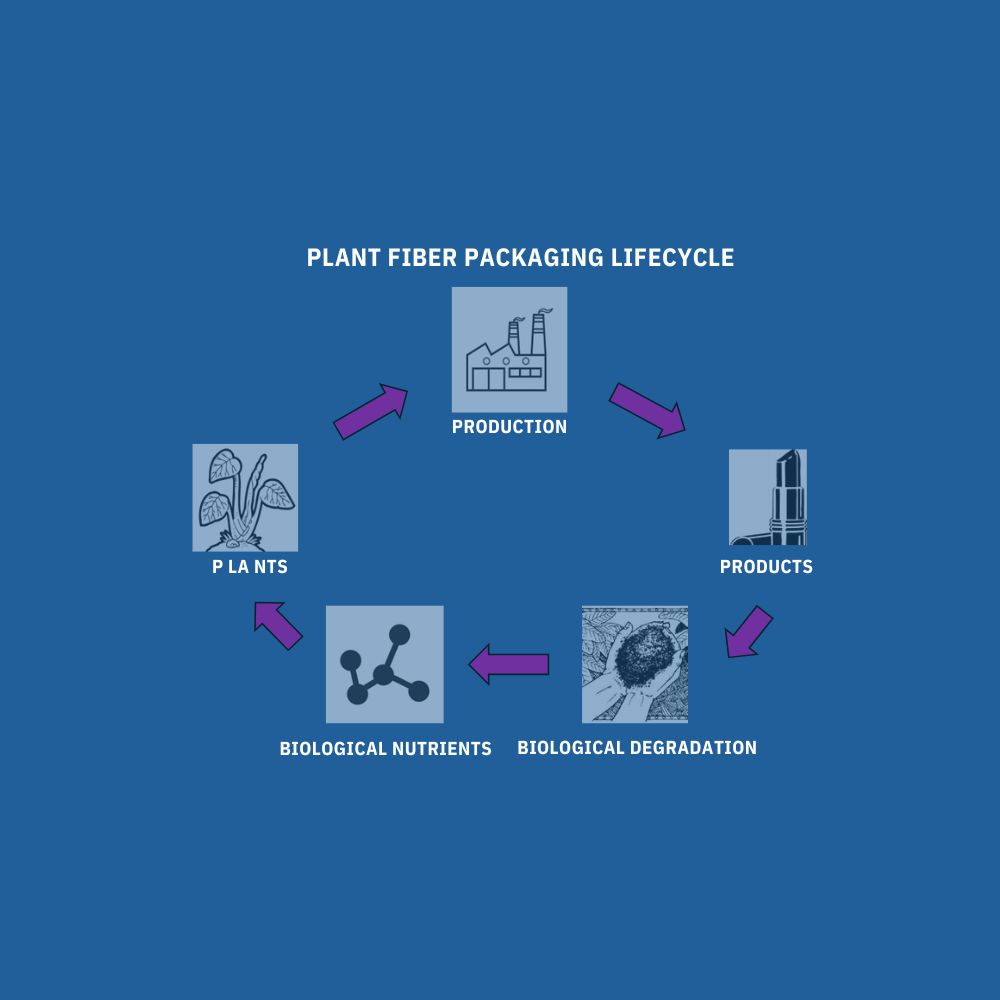
Plant Fiber Packaging Lifecyle
The process of biodegradable plant fiber packaging decomposition starts with a plant and ends with the nutrients to support new plant growth and health.